
So, you’ve finally finished your book. You’ve spent months (or maybe years) typing away, and now you’re ready to show the world what you’ve created. It’s an incredibly exciting time! Self-publishing is a wonderful way to get your story out there because you are the one in the driver’s seat. You have all the control, and you get to keep more of the money your book makes.
But here is the reality that because you are the one in charge, you are also the one responsible for everything. It is very easy to get caught up in the excitement and rush through the final steps. Unfortunately, many authors make small mistakes at the very end that stop their books from ever being found by readers.
If you want your book to look professional and actually sell, you need to avoid the common traps that trip up most new indie authors.
Based on the experiences of experts, let’s walk through the 10 most common self-publishing mistakes and how you can avoid them to ensure your book is a success.
1. Thinking “I Can Be My Own Editor”
This is the most frequent mistake in the world of self-publishing. Many authors finish their draft, read it through a few times, run a spell-checker, and think it’s ready.
The problem is that your brain is actually designed to fix errors while you read. Because you know the story so well, you will see what you meant to write, not what is actually on the page. You might miss a missing word, a plot hole, or a character whose name changes halfway through.
How to avoid it: Budget for a professional editor. Even if you are a grammar expert, you need an objective pair of eyes. There are different levels of editing: developmental editing (for the story), copyediting (for the sentences), and proofreading (the final typo check). If you can only afford one, at least get a final proofread. A book full of typos is the fastest way to get a 1-star review.

2. Designing the Cover Yourself (Unless You’re a Pro)
We’ve all heard the saying, “Don’t judge a book by its cover.” But in the online world of Amazon, that is exactly what readers do. Your cover is the very first thing a reader sees. If it looks like it was made in five minutes with free clip art, readers will assume the story inside is poor quality, too.
A common mistake is making a cover that you like, rather than one that the market likes. Every genre has a code. Thrillers usually have bold, high-contrast fonts. Romance novels often have soft colors or specific types of imagery.
How to avoid it: Hire a professional book cover designer who understands your specific genre. They know how to make a cover that looks good as a tiny thumbnail on a phone screen, which is how most people will see it. Your cover shouldn’t just be pretty; it should be a signal to your target reader that “this is the kind of book you love.”
3. Writing a Boring Book Description (The Blurb)
The cover gets the reader to click, but the description (the blurb) is what makes them hit “Buy.” Many authors treat the description like a dry school summary. They list every plot point and introduce ten different characters. This is a huge mistake.
A book description isn’t a summary; it’s a sales pitch. It needs to be punchy, exciting, and leave the reader wanting more.
How to avoid it: Study the blurbs of the best-selling books in your genre. Notice how they usually start with a hook, a single sentence that grabs your attention. Keep it short, focus on the main conflict, and end with a cliffhanger that makes the reader curious.
4. Skipping the Formatting Phase
Have you ever opened an e-book and seen weird symbols, huge gaps between words, or text that doesn’t fit on the screen? That’s a formatting issue. Formatting for a print book (where pages are fixed) is totally different from formatting for an e-book (where the reader can change the font size).
If your book is hard to read because of poor formatting, people will stop reading and ask for a refund.
How to avoid it: Use a professional formatting tool like Vellum or Atticus, or hire a professional formatter. Make sure you check your “Look Inside” feature on Amazon once the book is live to ensure it looks clean and professional.
5. Picking the Wrong Price Point
Pricing is tricky. Many new authors think, “I worked hard on this, so it should be $9.99!” But if every other debut novel in your genre is $3.99, no one is going to buy yours. On the flip side, pricing your 400-page novel at $0.99 permanently can sometimes make it look cheap or low-quality.
How to avoid it: Do some market research. Look at the top 100 books in your category on Amazon. What are other indie authors charging? Generally, $2.99 to $4.99 is the sweet spot for most e-books. It’s high enough to earn a 70% royalty but low enough that readers aren’t afraid to take a chance on a new author.
6. Using the “Free” ISBN
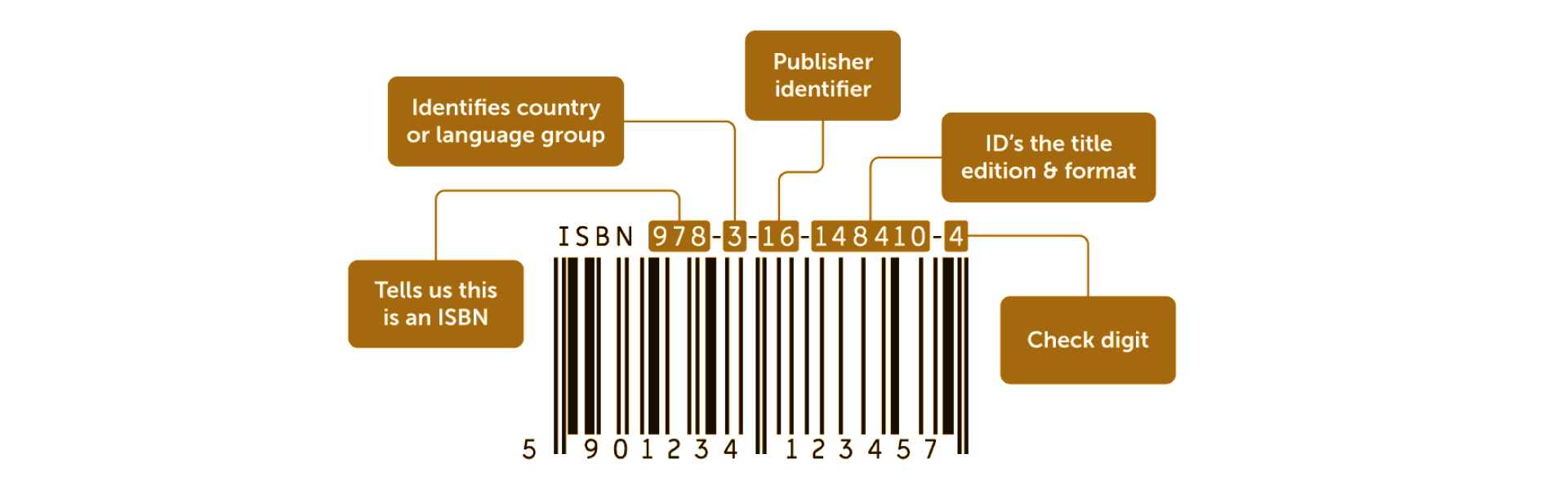
When you publish on a site like Amazon, they will offer you a free” ISBN. It sounds like a great deal, but there’s a catch. If you use their free number, Amazon is listed as the publisher of record. This can make it very difficult to get your book into libraries or local bookstores later on, as they often won’t buy books that are owned by Amazon.
How to avoid it: If you want to be a professional author, buy your own ISBNs (in the US, you get them from Bowker). This allows you to list your own publishing company name as the publisher. It looks more professional and gives you total control over your book’s distribution.
7. Launching Without “Social Proof” (Reviews)
If a reader sees a book with zero reviews and a book with twenty 5-star reviews, they will pick the one with reviews every single time. A common mistake is hitting publish and hoping reviews just show up. They won’t. You need a plan to get those first few reviews immediately.
How to avoid it: Use an “Advanced Reader Copy” (ARC) team. Send digital copies of your book to a small group of people a few weeks before the launch in exchange for an honest review. You can also use services to find professional reviewers.
8. Not Starting an Email List
Social media is great, but you don’t own your followers. If an app changes its rules or disappears, you lose your fans. The most successful authors in the world say that their email list is their most valuable tool.
If you don’t have an email list, you have no way to tell your readers when your next book comes out.
How to avoid it: Sign up for an email service (like MailerLite or Mailchimp) on day one. Put a link at the back of your book that says, “Want a free story? Sign up for my newsletter!” This is how you turn a one-time reader into a lifelong fan.
9. Focusing Too Much on Metadata (Or Ignoring It)
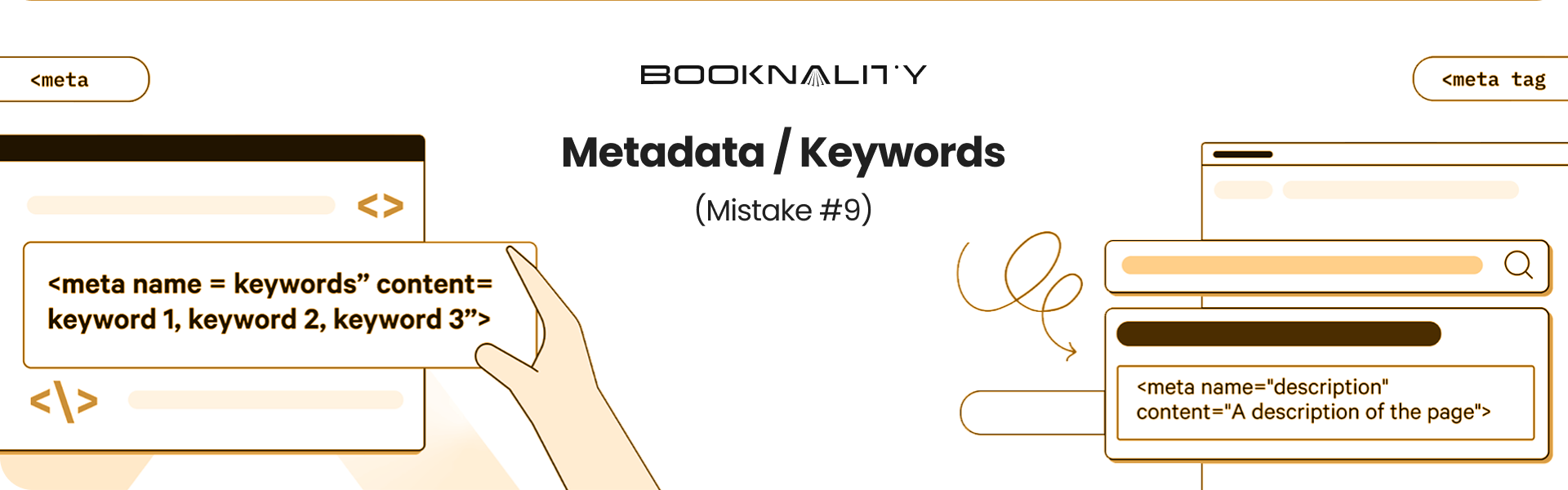
Metadata is the behind-the-scenes info, like your keywords and categories. A common mistake is picking categories that are too broad. If you put your book in “Fiction,” it will get lost. If you put it in “Time Travel Romance,” it’s much easier to find.
On the other hand, don’t spend all your time trying to hack the algorithm. If the book itself isn’t good, no amount of keywords will save it.
How to avoid it: Use tools like Publisher Rocket to find keywords that have high search volume but low competition. Be specific with your categories so you can rank higher in the charts.
10. Giving Up After One Book
Many authors think their first book is going to be a massive hit that lets them quit their day job. When that doesn’t happen, they get discouraged and stop writing.
The truth is that most indie authors don’t start making real money until they have three, five, or even ten books available. Each new book helps sell the old ones.
How to avoid it: Start writing the next book as soon as the first one is published. Publishing is a marathon, not a sprint. The best marketing for your first book is your second book.
Bottom Line
Self-publishing is a blast, but it’s also a business. If you treat your book like a hobby, the market will treat it like a hobby. But if you treat it like a professional product, by investing in editing, design, and a real launch plan, readers will notice.
Avoid these ten mistakes, take your time, and don’t be afraid to ask for help. Every great author was once a beginner who learned these lessons the hard way!
Frequently Asked Questions (FAQs)
Is it really that bad to use a free ISBN?
It’s not bad, but it is limiting. If you only ever want to sell on Amazon, a free ISBN is fine. But if you want to be taken seriously by bookstores and libraries, owning your own ISBN is a mark of a professional.
How much should I budget for my first book?
To avoid the big mistakes (bad covers and no editing), most authors spend between $1,000 and $3,000. It’s an investment in your career. If you’re on a tight budget, prioritize editing first.
Can I fix these mistakes if I’ve already published?
Yes! One of the best things about self-publishing is that you can update your files anytime. You can get a new cover, upload a newly edited manuscript, or change your keywords whenever you want.